
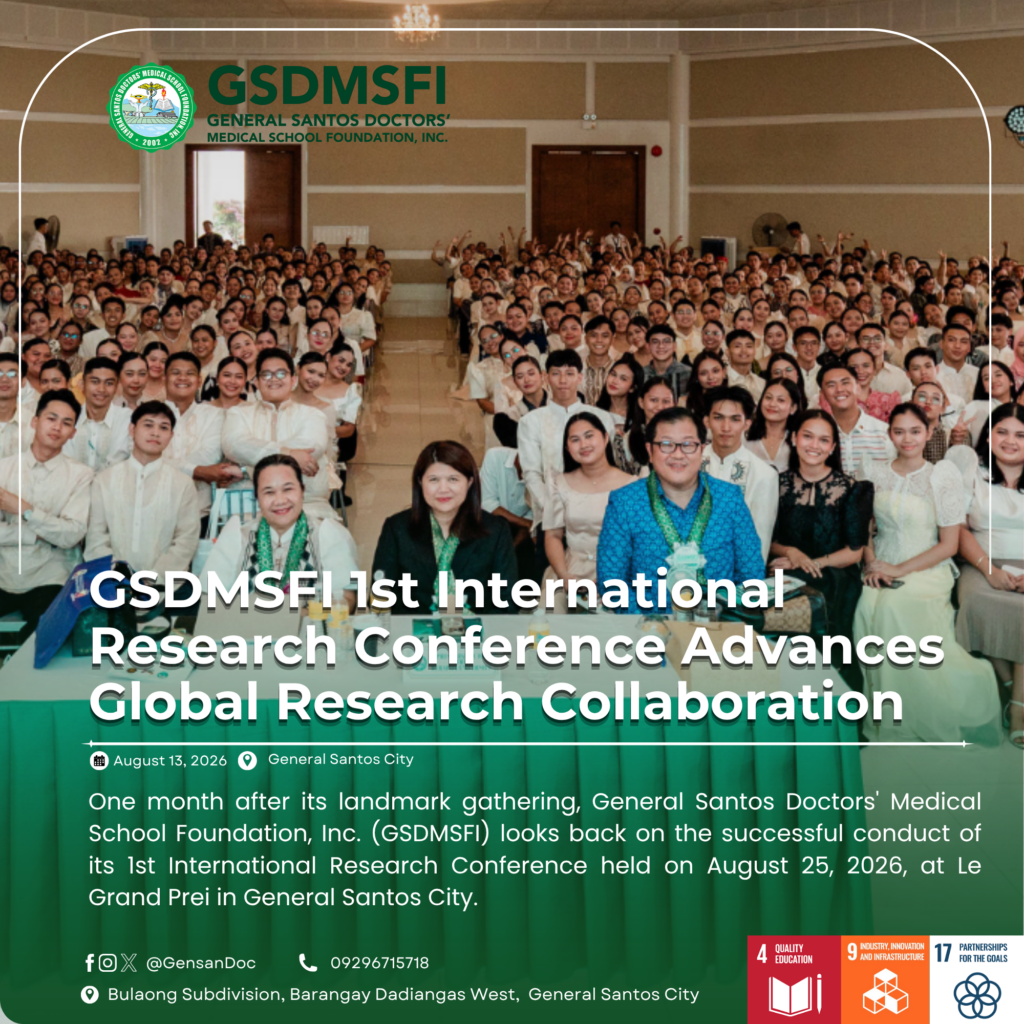
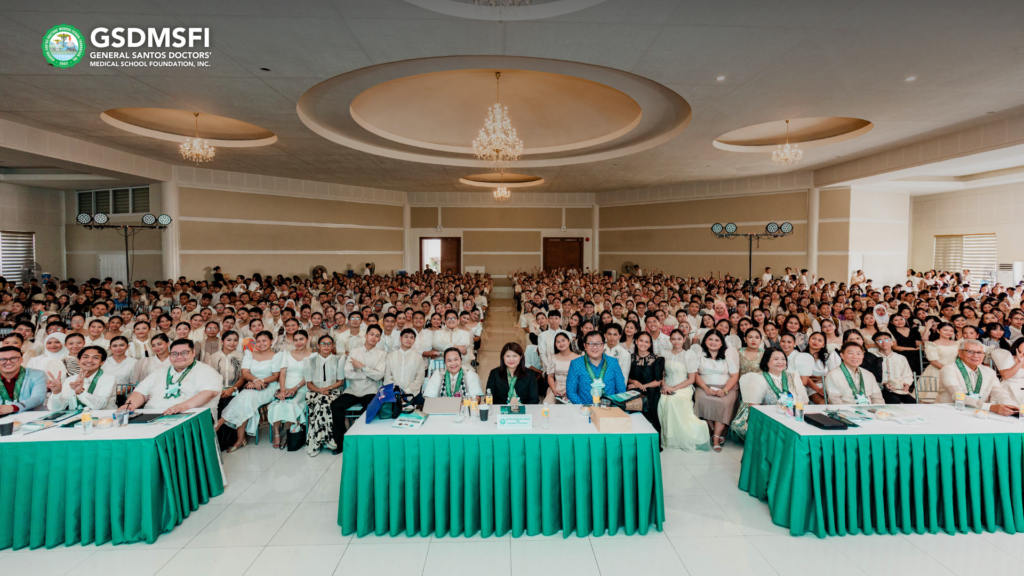
One month after its landmark gathering, General Santos Doctors’ Medical School Foundation, Inc. (GSDMSFI) looks back on the successful conduct of its 1st International Research Conference held on August 25, 2026, at Le Grand Prei in General Santos City.
Guided by the theme, “Advancing Research Excellence Through Glocal Collaboration, Innovation, and Transformative Impact,” the conference brought together international scholars, institutional leaders, faculty researchers, students, and academic partners for a substantive exchange of research findings, emerging ideas, and practical approaches to health, education, innovation, and community development.
Publishing this reflection on September 25, exactly one month after the event, provides an opportunity to recognize what the conference achieved and to keep attention focused on the research collaborations, institutional commitments, and follow-through expected from the gathering.
Connecting Global Knowledge with Local Priorities
The conference marked an important step in GSDMSFI’s continuing effort to build a stronger and more dynamic research culture. More than a venue for presenting completed studies, it created space for researchers from different disciplines and institutions to examine emerging issues, engage in critical dialogue, and consider how evidence can be translated into practical solutions.
Its emphasis on glocal collaboration connected international knowledge and expertise with the realities, priorities, and needs of local communities. This approach recognizes that research gains value when global developments are examined through local evidence and when locally generated findings are brought into wider scholarly conversations.
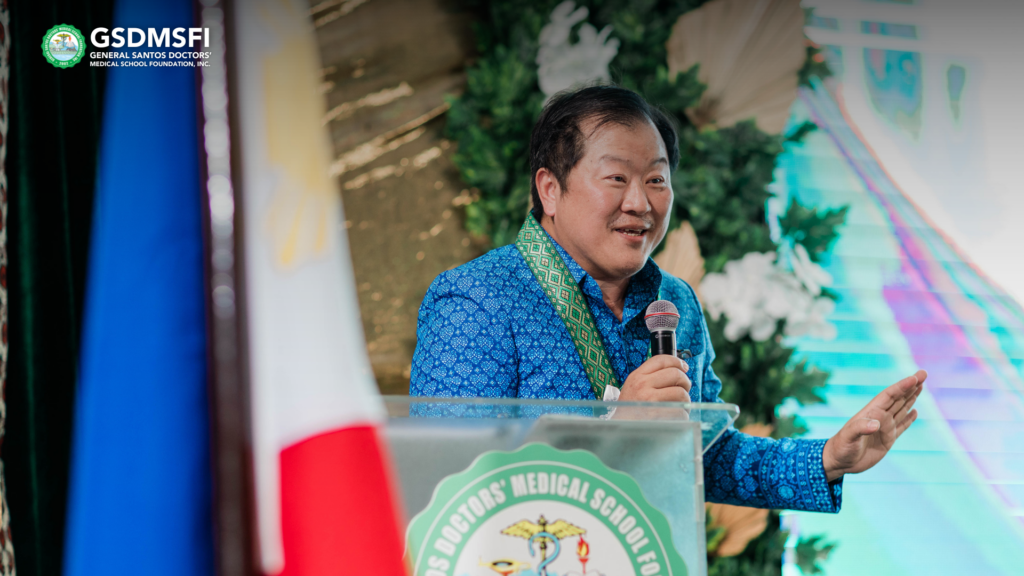
In his welcome address, GSDMSFI President Dr. Daniel G. Yap, FPCS, FACS, highlighted the institution’s commitment to research that is innovative, inclusive, and responsive to present-day challenges. A message of support was delivered by Mr. Danstone Guy P. Dayaday, Education Supervisor II and Internationalization Focal Person of the Commission on Higher Education Regional Office XII. Their messages emphasized the importance of internationalization, institutional cooperation, and evidence-based inquiry in strengthening education, professional practice, and community service.
International Experts Address Emerging Research Priorities
The plenary sessions featured distinguished speakers from Thailand, Malaysia, Hong Kong, and the Philippines. Asst. Prof. Dr. Yupawan Thongtanunam, Associate Dean for Strategic Partnerships and Social Engagement at Burapha University, discussed artificial intelligence and research ethics. Her presentation examined the growing role of artificial intelligence in scholarly work and the responsibility of researchers to protect academic integrity, transparency, accountability, and the ethical use of emerging technologies.
Associate Professor Dr. Pornchai Jullamate of Burapha University presented recent trends in gerontological research and highlighted the need for stronger evidence and innovative responses to the needs of aging populations. Dr. Norhidayu binti Sahamin of Universiti Malaya introduced the Tick Cell Biobank Asia Outpost and discussed its role in strengthening Asia’s capacity for tick-borne disease research.
Prof. Dr. Erwin M. Faller, Academic Director of Holy Child Central Colleges, Inc., emphasized how collaborative research can help advance the United Nations Sustainable Development Goals. The afternoon plenary was delivered by Dr. Eugene Macalinga, Senior Lecturer in Population Health at Hong Kong Metropolitan University, who explored the role of generative artificial intelligence and large language models in advancing value-based healthcare while emphasizing responsible implementation.
GSDMSFI and Burapha University Formalize Research Partnership
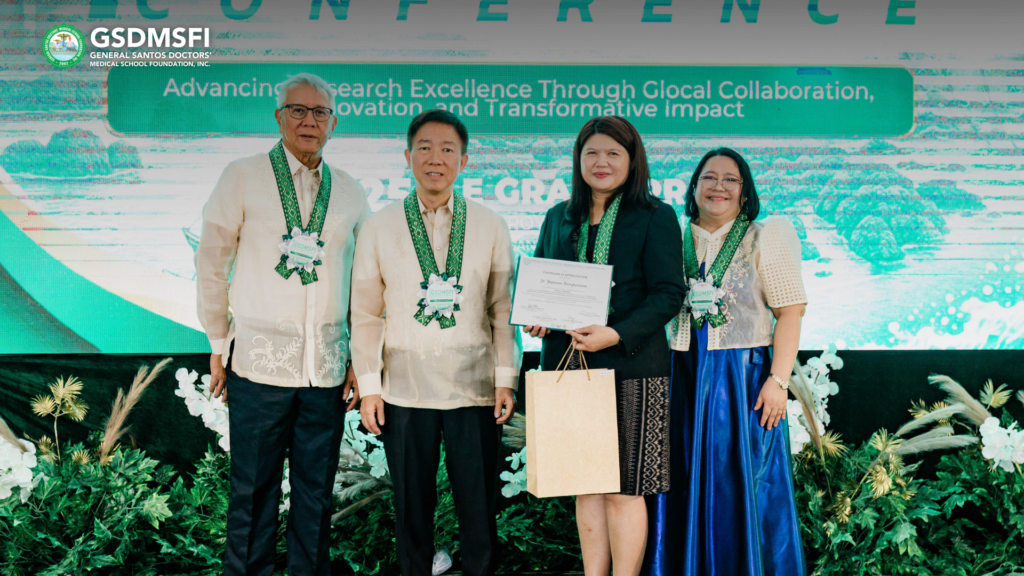
A major conference milestone was the ceremonial signing of a Memorandum of Understanding between GSDMSFI and Burapha University, Thailand. The agreement was signed by GSDMSFI President Dr. Daniel G. Yap and Burapha University President Associate Professor Dr. Watcharin Gasaluck, with senior officials from both institutions serving as witnesses.
The MOU provides a formal foundation for international research collaboration, faculty and student exchanges, capability-building, scholarly publications, knowledge sharing, curriculum development, and other academic initiatives of mutual interest. It also identifies opportunities for collaborative work in geriatric nursing, crisis intervention, occupational health nursing, transcultural nursing, and innovations in nursing.
The partnership gives researchers in the Philippines and Thailand a platform for combining expertise while addressing issues that cross national boundaries, including population aging, public health threats, technological change, research ethics, and sustainable development. Separate project agreements and the appropriate institutional and ethical approvals will guide each activity undertaken under the MOU.
Related coverage: Read the GSDMSFI-Burapha University MOU article for a detailed explanation of the partnership’s research, academic-exchange, and internationalization provisions.
Faculty and Student Research Address Real-World Concerns
Beyond the plenary discussions, the conference provided faculty and student researchers with a platform to present studies from Nursing, Medical Technology, Pharmacy, Radiologic Technology, Physical Therapy, Midwifery, and Psychology.
The studies addressed the experiences of mammographers caring for patients with breast implants; hepatitis A and food-safety practices among street-food vendors; radiation protection among student interns; heavy-metal contamination in unregulated herbal products; the retirement journeys of Filipino nurses; health risks among fish-port workers; rabies awareness; and the possible anthelmintic activity of guava leaf extract against Ascaris lumbricoides eggs.
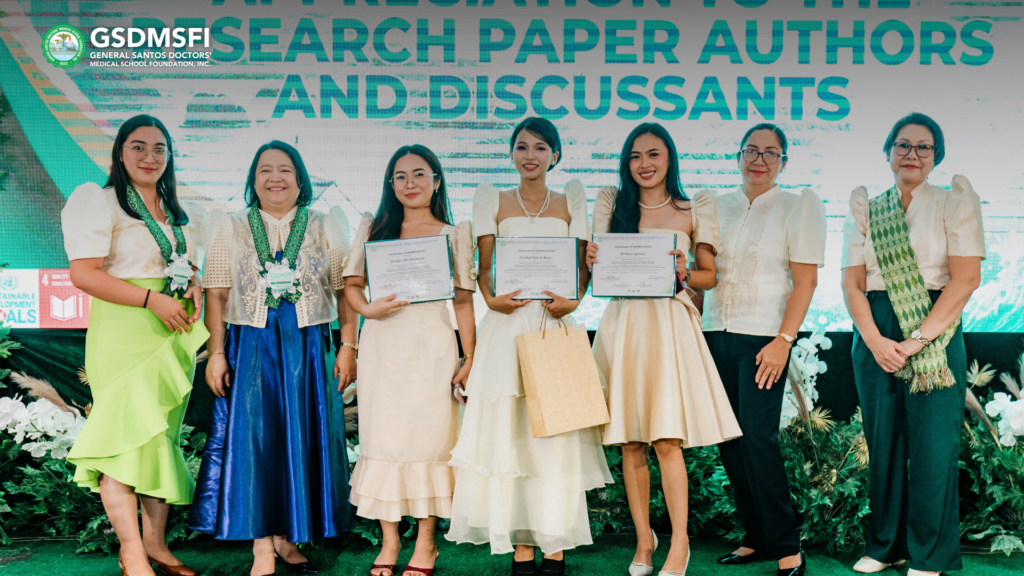
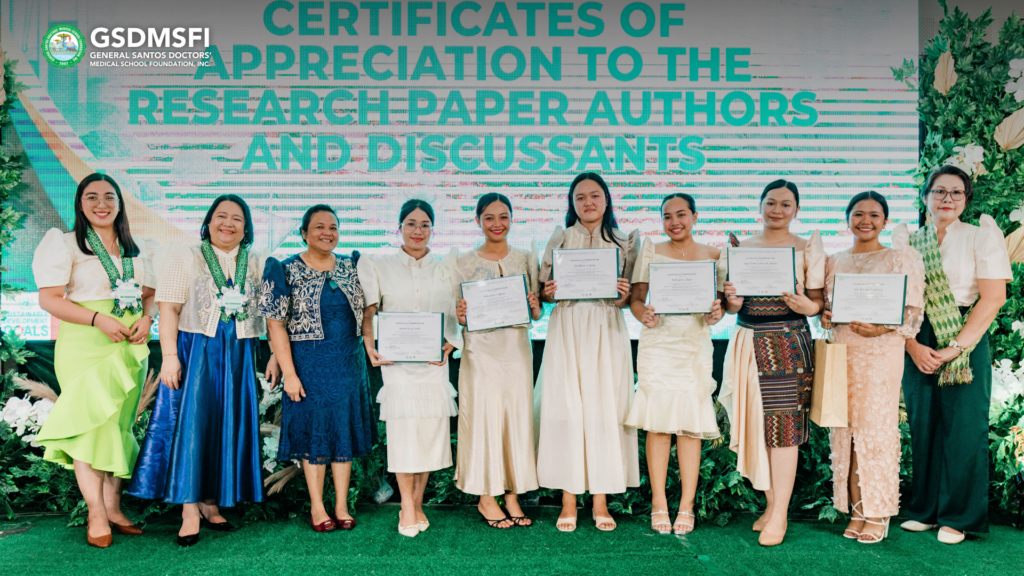
The range of presentations demonstrated the breadth of research being undertaken within the GSDMSFI academic community. More importantly, the studies showed how institutional research can move beyond academic compliance and contribute to safer professional practice, stronger health education, responsive community programs, and evidence-informed decision-making. Research discussants enriched the sessions by providing scholarly feedback and encouraging presenters to strengthen the interpretation and practical application of their findings.
From Conference Discussions to Research Action
The conference concluded with a synthesis delivered by Ms. Coleen Jill Pregonir, RPm, followed by the closing address of Rizza G. Francisco, MN, RN, Research Director of GSDMSFI. The closing message reaffirmed the Research Office’s commitment to strengthening research governance, developing faculty and student researchers, expanding institutional partnerships, and promoting the dissemination and use of research findings.
The event supported the United Nations Sustainable Development Goals, particularly SDG 3 on Good Health and Well-Being, SDG 4 on Quality Education, SDG 9 on Industry, Innovation and Infrastructure, and SDG 17 on Partnerships for the Goals. These priorities reflect GSDMSFI’s aim to ensure that research contributes not only to academic advancement but also to social and community development.
One month after the conference, its success should be measured not only by attendance, presentations, or discussions, but by what follows: stronger studies, completed publications, active international partnerships, improved research systems, and evidence that reaches the communities and professions it is meant to serve.
The 1st GSDMSFI International Research Conference established new professional connections, formalized a major partnership with Burapha University, and challenged the academic community to pursue research with greater rigor, relevance, and purpose. It now serves as a foundation for deeper collaboration, wider knowledge exchange, and research initiatives capable of producing measurable and lasting impact.
Published September 25, 2026 | GSDMSFI Research Office