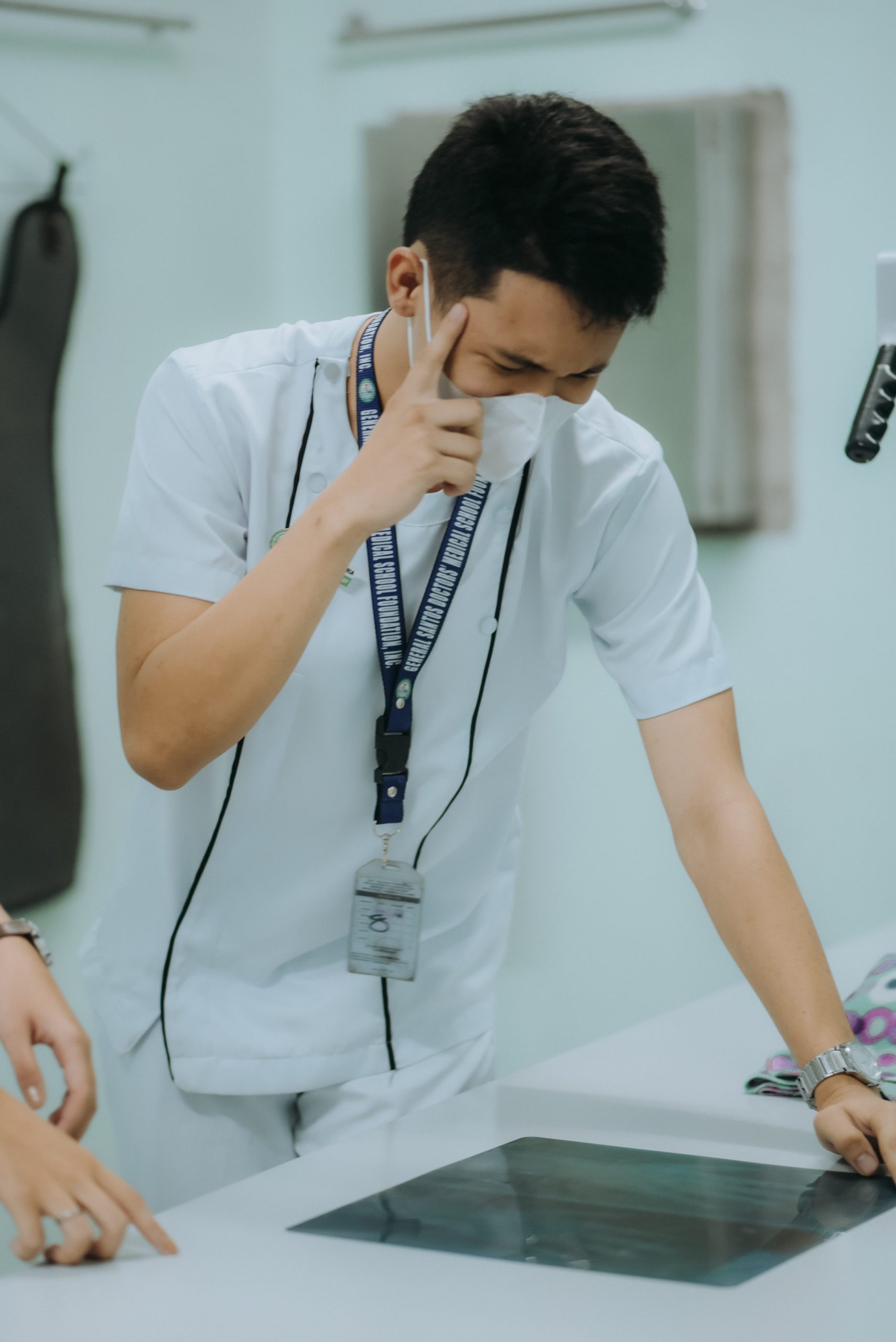
Radiologic technologists can find employment in diverse settings, including:
• Hospitals
The most common employer, where technologists may work in general radiology, emergency rooms, or specialized departments.
• Outpatient clinics and imaging centers
Private and community clinics offer a more standard schedule than hospitals.
• Medical laboratories
Labs that serve outpatients who need diagnostic imaging.
• Physicians’ offices
Technologists work directly with doctors in independent practices.
• Mobile imaging clinics
These facilities travel to patients, offering variety in the work environment.
• Education and research facilities
For those interested in training the next generation of technologists.
Technologists can boost their career and earning potential by obtaining advanced certifications in specialized imaging fields. Some options include:
• MRI Technologist: Specializes in using magnetic resonance imaging to create detailed pictures of the body’s tissues.
• Computed Tomography (CT) Technologist: Operates advanced CT scanning equipment to produce cross-sectional images.
• Mammography Technologist: Specializes in performing mammograms, which are crucial for the early detection of breast cancer.
• Diagnostic Medical Sonographer: Uses ultrasound equipment to produce images, and can specialize further in areas like vascular, breast, or neurosonography.
• Nuclear Medicine Technologist: Prepares and administers radioactive drugs to patients to create diagnostic images.
• Cardiac Interventional Technologist: Works in the cardiac catheterization lab to assist physicians with imaging during minimally invasive heart procedures.
• Bone Densitometry Technologist: Performs scans to measure bone density and diagnose conditions like osteoporosis.
With experience and further education, radiologic technologists can move into leadership and management roles. Examples include:
• Chief Radiologic Technologist: Oversees the radiology team and manages the imaging department.
• Radiology Manager or Administrator: Manages the resources, staff, and overall operations of a radiology lab or imaging department.
• Radiologic Technologist Professor: Teaches and trains students in academic settings.
• Application Specialist: Works for medical imaging equipment companies to train and support users.